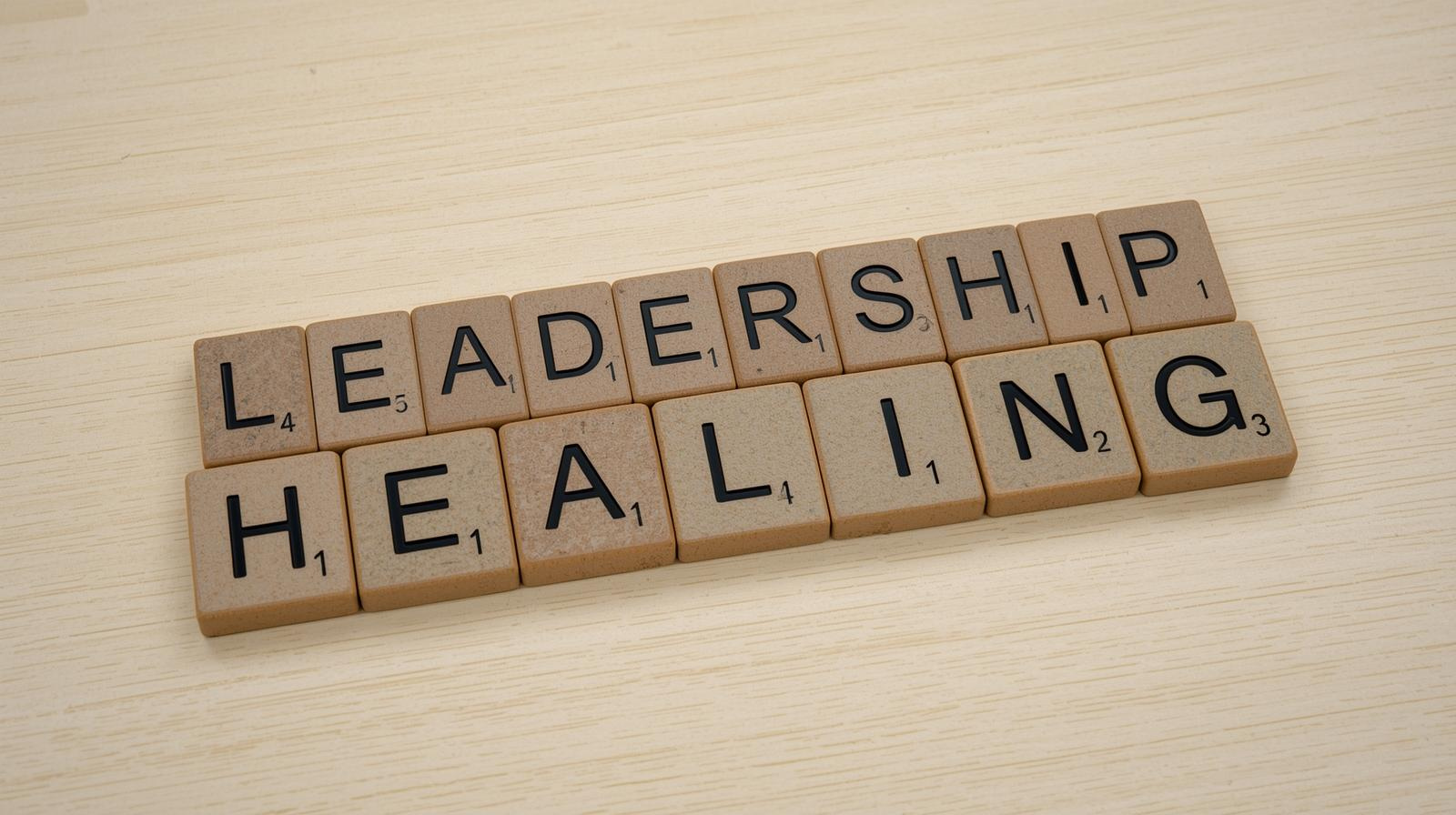

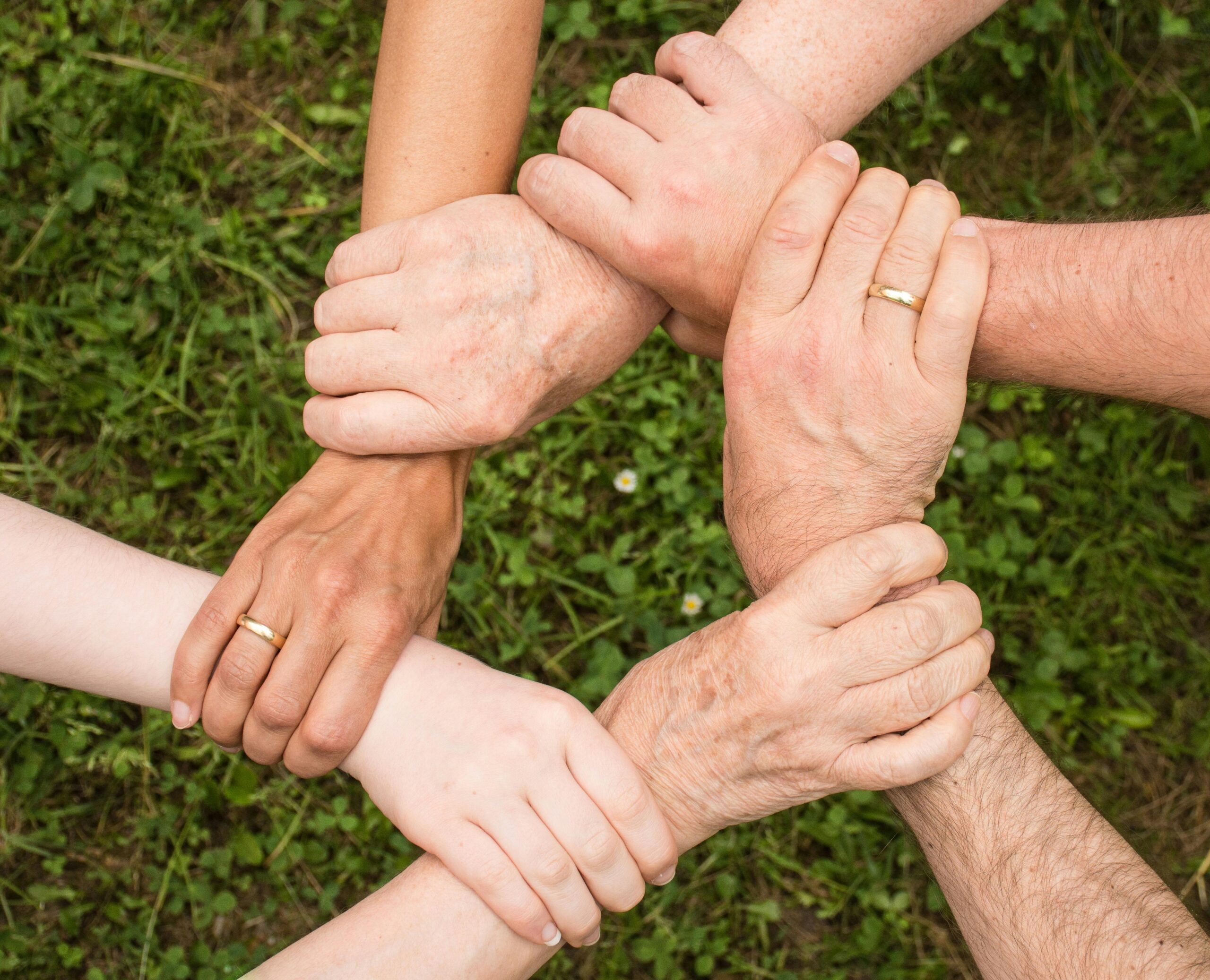
What makes growth, leadership, and healing actually work.
Most people think trust is something you either have… or you don’t.
But in practice, it doesn’t work that way.
Trust isn’t automatic.
And it isn’t built through words alone.
It’s built through experience.
What Trust Really Is
Trust is the felt sense that something is stable, honest, and consistent.
It’s what allows people to:
- speak openly
- take risks
- stay engaged
- grow
Without it, people hold back.
Even if everything looks fine on the surface.
Where Trust Breaks Down
In leadership, when trust is low:
- people hesitate to speak up
- feedback becomes filtered or avoided
- problems go unaddressed
- performance suffers
In healing, when trust is low:
- people stay guarded
- patterns repeat
- avoidance increases
- growth slows or stops
Different contexts.
Same underlying issue.
Trust Isn’t Built All at Once
One of the biggest misconceptions is that trust is created in a single moment.
It’s not.
It’s built through repeated experiences over time.
And it’s shaped by how people show up in the day-to-day moments that often go unnoticed.
How Trust Is Built Through The DEPTH Framework
Trust doesn’t sit outside the process.
It’s built through it.
Discern → Trust through honesty
When people are willing to see clearly—
to name what’s actually happening instead of avoiding it—
trust begins to form.
Because honesty creates clarity.
Engage → Trust through presence
When people step into conversations instead of avoiding them—
with curiosity instead of assumption—
trust deepens.
But presence alone isn’t enough.
Trust is also built when leaders are willing to:
- have difficult conversations
- give honest, respectful feedback
- step in and lead through challenging situations
Because avoiding what’s hard doesn’t protect trust—
it erodes it.
👉 Trust grows when people know you will show up when it matters.
Pause → Trust through reflection
When people take time to reflect instead of react—
trust grows.
Because reflection creates steadiness.
Tend → Trust through care
When people actively care for relationships, environments, and the work itself—
trust strengthens.
Because care creates safety.
Hold → Trust through consistency
When people follow through, stay accountable, and remain steady over time—
trust becomes sustainable.
This includes staying present even when things are uncomfortable—
not stepping back when leadership is most needed.
👉 Trust is reinforced when people experience consistency, especially in difficult moments.
What Trust Also Requires
But there’s another part of trust that often gets overlooked.
Trust isn’t just built through presence or consistency.
It’s also built through how we show up for each other when things don’t go as planned.
In leadership, that means having people’s back.
Not in a way that avoids accountability—
but in a way that creates safety to be honest.
I used to say this to staff:
I just need you to tell me.
We can handle anything together.
I need to be the first to know, not the last.
If something happens—especially something you’re not proud of—
it’s always easier to work through it upfront than after the fact.
Because trust isn’t built on perfection.
It’s built on honesty.
👉 Trust grows when people know they can be real—and still be supported.
What Trust Makes Possible
When trust is present, things change.
In leadership:
- performance improves
- productivity stabilizes
- data becomes more accurate
- strategy becomes more effective
In healing:
- emotional safety increases
- self-trust develops
- patterns begin to shift
- growth becomes sustainable
Trust isn’t just a “nice to have.”
It directly impacts outcomes.
Trust and Human Capacity
Trust is deeply connected to the foundational capacities.
- Technical competence builds reliability
- Emotional intelligence builds safety
- Relational awareness builds connection
- Systems awareness builds understanding
When these are present, trust grows naturally.
When they’re not, trust becomes fragile.
What Gets Missed
Sometimes people try to build trust directly.
Through statements like:
- “You can trust me”
- “This is a safe space”
But trust isn’t created by saying it.
It’s created by how people experience you over time.
In closing, trust isn’t separate from leadership.
And it isn’t separate from healing.
It’s what makes both possible.
And it’s not built in big moments.
It’s built in the small moments—over and over again—
especially when it would be easier not to show up.
Invitation
If you’re leading, navigating change, or doing your own personal work…
Pay attention to trust.
Not just whether it exists—
but how it’s being built.